
Lifecycle cost control
Separate direct and indirect costs, assess cost per vehicle, and identify expensive assets early.
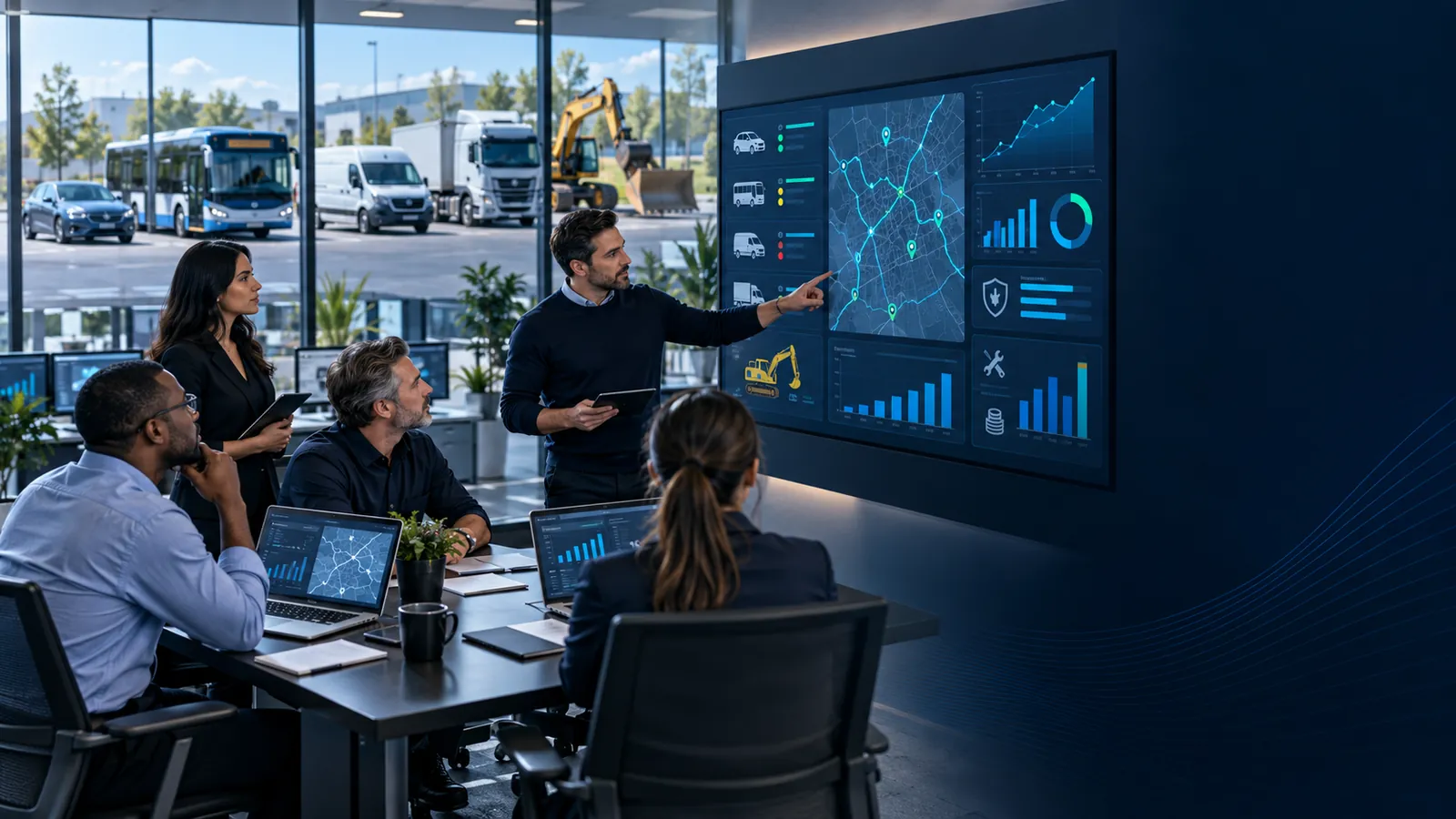
Build the skills to standardize operations, control costs, improve safety, and make better decisions across transport and logistics fleets.
From experience to repeatable practice
Fleet management involves much more than keeping vehicle records. Teams must balance safety, availability, maintenance cost, fuel use, driver performance, and service commitments.
Pishgaman Asia training focuses on the decisions fleet teams make every day. We review your operating context before the course so the material can move beyond general concepts and lead to practical workflows, measurable indicators, and a clear improvement plan.
Learning outcomes
Separate direct and indirect costs, assess cost per vehicle, and identify expensive assets early.
Plan service intervals, control downtime, and use maintenance history to make better decisions.
Define responsibilities, monitor driving behavior, and establish clear procedures for operational risk.
Structure approvals, documents, and coordination between fleet, finance, HR, and procurement teams.
Select useful KPIs for availability, utilization, maintenance, fuel, and service quality.
Turn operational records into management insight and prioritize actions with measurable impact.
Flexible course syllabus
Delivery approach
Review fleet type, organizational roles, operational challenges, and participant experience.
Select topics, exercises, and examples that reflect the organization’s actual work.
Connect concepts to scenarios, forms, indicators, and everyday fleet decisions.
Summarize improvement opportunities and define practical actions after the course.
We review your fleet, current processes, and learning goals before recommending a course.
Frequently asked questions
Fleet managers, transport coordinators, technical and maintenance teams, equipment inspectors, contract specialists, and administrative service managers can all benefit.
Yes. We adapt the syllabus and examples after reviewing your fleet mix, operating scale, and participant responsibilities.
No. The main focus is management practice, process design, performance indicators, and operational decisions. Software is introduced where it supports those outcomes.