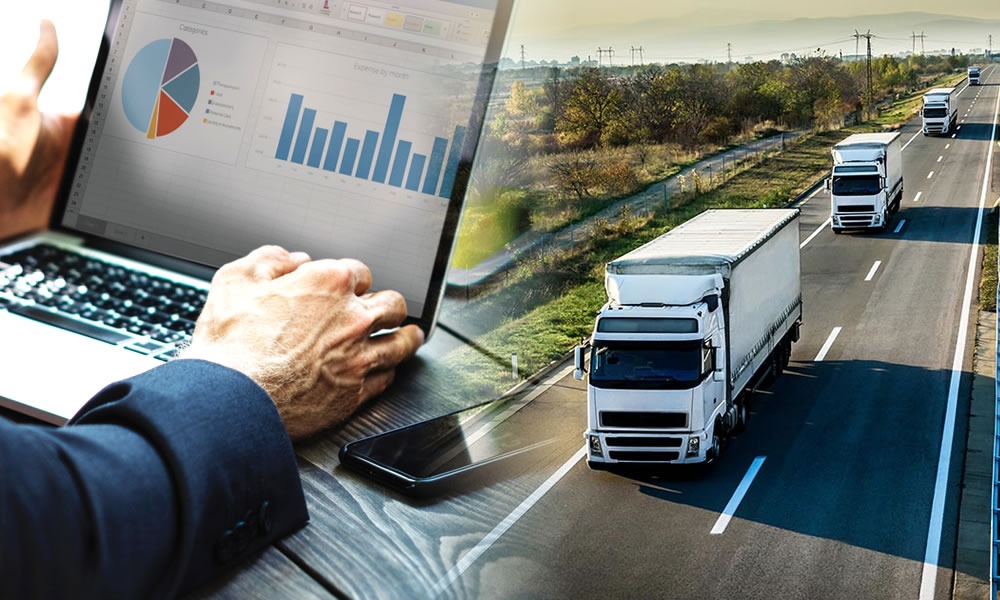

Pishgaman Asia plans to publish the results of its implemented projects at different companies online as a documented series. These solutions are derived from analysis of customer experiences and the company’s management perspectives, with the goal of reducing hidden fleet costs and increasing operating productivity. This article examines the first group of solutions, focusing on vehicle drivers’ role in managing and reducing fleet costs.
Many fleet managers in the country focus on reducing large, obvious costs. Yet small, seemingly insignificant expenses put substantial pressure on budgets if not continuously controlled. Pishgaman Asia’s implementation experience shows that attention to minor vehicle repair and maintenance costs, with driver involvement, plays an important role in reducing unforeseen fleet expenses. In this approach, drivers initiate the repair and maintenance process: when they notice signs of a vehicle problem, recording and reporting them to the relevant manager can help reduce fleet costs. Accurately recording these faults in dedicated Root Cause Failure Analysis (RCFA) forms and reviewing them periodically to prevent gradual, uncontrolled deterioration greatly reduces costs.
Active driver participation in reporting vehicle problems is central to preventing hidden costs. Early driver feedback helps the fleet’s technical team identify and resolve faults before they become expensive failures. This reduces emergency repair costs and prevents prolonged fleet downtime.
Alongside this approach, Pishgaman Asia also emphasizes the role of Fleet Manager Training particularly for inexperienced managers, in reducing transportation fleet costs. By providing educational content and practical solutions, the company seeks to guide managers toward preventive Fleet Management. It believes that managers who understand cost control, the importance of accurate reporting, and the value of prevention from the outset make better decisions and create more sustainable company finances.
Using real data, regular reporting, and personnel participation, particularly drivers, significantly helps reduce fleet costs. Cost control does not necessarily require complex measures or heavy investment. Attention to detail, process improvements, a reporting and prevention culture, and appropriate training can produce tangible, lasting results.