Customer Success

Success Story: Ports and Maritime Organization

Success Story: Ports and Maritime Organization

Overview: Introduction to the Ports and Maritime Organization

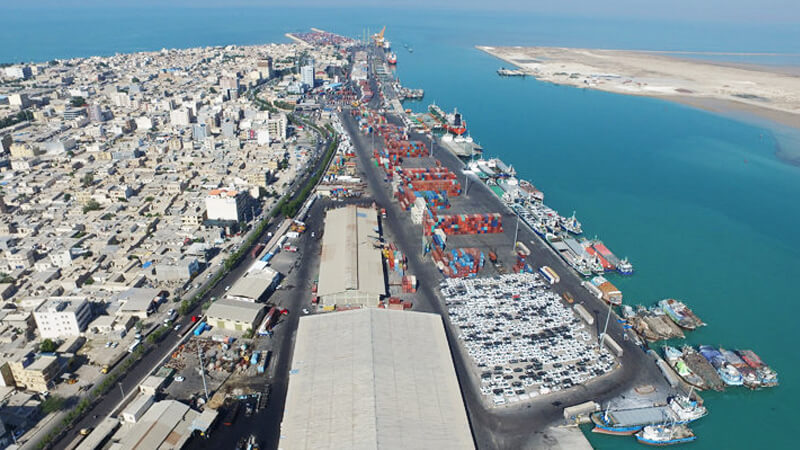
Ports have always played a strategic role in developing domestic and international trade in both developing and developed countries. In today’s small global village, where distances are shrinking and time is a key factor in calculating economic costs, ports actively support stable economic growth. In the modern world, ports function as an industry and actively manage supply chains, which is why they are called markets rather than docks. Ports are more than infrastructure or even superstructures. They serve as both a link in the transport chain and a bridge between domestic and international trade. Bilateral trade trends in developed and developing economies also demonstrate the need to pay greater attention to ports as

 as one of the pillars of the logistics chain.
The headquarters of the Ports and Maritime Organization is located at Vanak Square, Shahid Haghani Expressway, Ab-o-Atash Park

Success Story: Ports and Maritime Organization

Ports Transportation Unit Organizational Chart

Since the Ports and Maritime Organization includes ports in both the north and south of the country, each port’s transportation unit must be examined individually. The transportation department falls under the General Directorate of Human Resources Development and Support, and has its own structure and machinery according to each port’s mission and geography.
The transportation fleet is the most important pillar of any port, given its mission. A system for managing this fleet is therefore essential. Ports use a variety of equipment that includes not only conventional vehicles but also watercraft (boats, medium and heavy vessels, jet skis, etc.). The system must therefore provide solutions for every aspect of this fleet.

Ports Organization Fleet Management Requirements

Some of the main requirements of the Ports and Maritime Organization include:

Database and Management of Machinery at the Country’s Ports

With machinery spread across the country’s ports, centralized vehicle management is a key organizational requirement. A single system must manage vehicle status, insurance policies, tolls, violations, technical inspections and more nationwide.

Success Story: Ports and Maritime Organization

Request a Vehicle from Anywhere in the Port (Ride-Hailing)

Given the operational environment of ports and the critical missions assigned at a moment’s notice, a system that employees can access on their mobile phones from anywhere to request vehicles and be dispatched on missions is essential and practical.

Real-time tracking of vehicles, ships, tugboats, and customs and freight machinery

Given the importance of cargo carried by organizational machinery and critical assignments, real-time vehicle locations on a map, speeds, routes, distances traveled and stops are especially important.

Success Story: Ports and Maritime Organization
امور مسافرت و بلیط

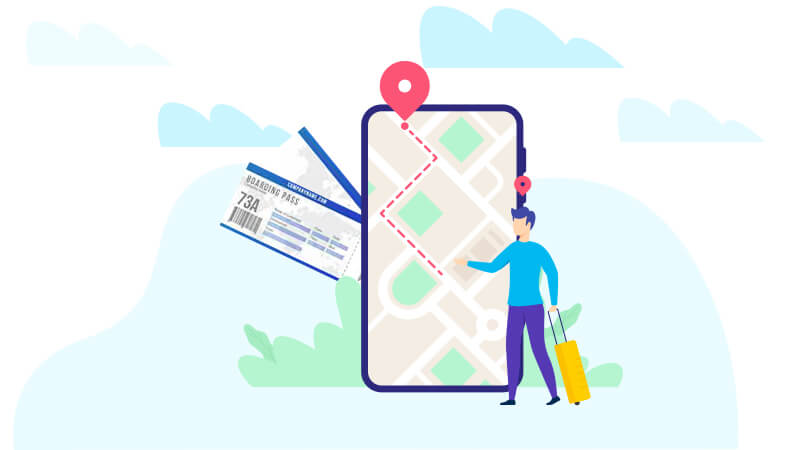
Manage Business Travel and Ticket Booking for Official Assignments

Interactions between ports, coordination, and implementation of nationwide policies require many inter-port and interprovincial trips. A system for managing trips, preventing unnecessary travel, overseeing ticket purchases, and more can significantly reduce organizational costs.

Challenges in Implementing and Deploying Port Fleet Management

The key challenge in implementing the Ports and Maritime Organization’s Fleet Management System is using one system for all ports while preserving integration, coordination and each port’s independence. Organizational managers must oversee all ports, while each port manages and monitors its own fleet. An integrated transportation system prevents disorganization across port transportation structures and ensures a common structure and procedure. This coordination makes nationwide management considerably easier and more effective.

Success Story: Ports and Maritime Organization

Pishgaman Asia Fleet Management Solutions

Fleet Management Software

Pishgaman Asia Fleet Management Software was the best choice for the Ports and Maritime Organization’s requirements and achieved high satisfaction among its managers. Its specialized fleet management modules are used according to organizational needs in an integrated, comprehensive system across headquarters and affiliated ports.

نرم افزار مدیریت ناوگان حمل و نقل پیشگامان آسیا
مدیریت ماشین آلات

Integrated Machinery Management and Vehicle Profile System

The Pasand Fleet Management System’s Machinery Management Module supports different transportation departments and machinery types, enabling integrated fleet management at headquarters and independent management at each port.

Vehicle Request App

The Pasand mobile app, integrated with the Fleet Management System, enables personnel to request vehicles from anywhere using their phones. Once a request is approved, they can view the assigned vehicle and driver, see the driver’s location relative to their own and contact the driver. Personnel can also record trip events (start, end and stops) and rate the driver through the app.

Success Story: Ports and Maritime Organization
ردیابی خودرو با موبایل در اپلیکیشن ردیابی خودرو- پیشگامان آسیا

Tracking App

Pishgaman Asia’s tracking module uses the latest tracking methods, including tracking services capable of receiving 100 percent of data, a fast and powerful database, offline maps without internet access, and high-quality tracking devices. This enabled the Ports and Maritime Organization to view and control all its tracking requirements in a single panel as quickly and easily as possible.

Ticket and Business Trip Request App

Travel Management Software, designed and delivered to the Ports Organization as a package with Fleet Management Software, enables personnel to submit travel requests through the Pasand App or the web system. Approved requests are referred to the welfare department or contracted travel agencies for ticket issuance, and purchased tickets appear in the requester’s work inbox. The software eliminates traditional travel processes and administrative bureaucracy, while travel management and ticket purchase monitoring reduce organizational costs. Features include canceling travel requests, rejecting requests with reasons and generating travel expense reports.

Success Story: Ports and Maritime Organization

Other Software Systems Used by the Ports Organization

Some of Our Customers

Request a Demo

To request a demo, click the button below and complete the form. Once we receive your request, our specialists will answer your questions within 24 hours.

Request a Demo

Please complete the details below carefully. Our team will contact you soon.

  • Hidden

keyboard_arrow_up